
The Forty Year Light Switch
Electricity took forty years to change the factory. AI does not have to take that long, but only if we learn why the wait happened at all.
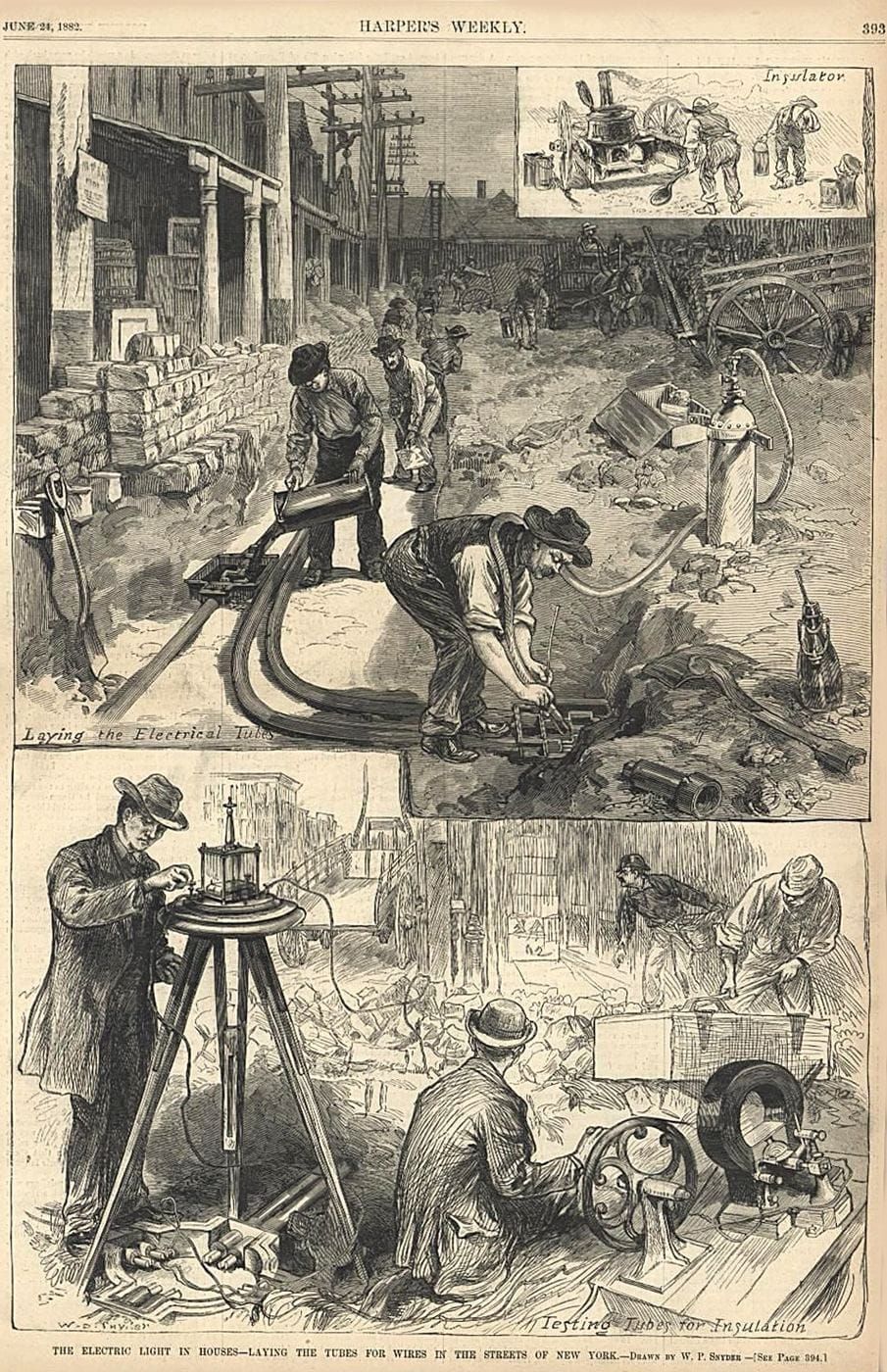
In September 1882, Thomas Edison threw a switch at Pearl Street station in lower Manhattan and delivered electricity to a few dozen buildings in New York. Earlier that same year, a station at Holborn Viaduct had done the same in London. The age of electric power had arrived.
And then, for nearly twenty years, almost nothing happened.
That gap, and what finally closed it, is the most useful thing I know about AI adoption. So let me give you the bottom line up front, and then the evidence.
First, AI is not your bottleneck. Your process is. Add a chatbot to an old process and you get almost nothing. Ninety five per cent of pilots prove it.
Second, stop bolting chatbots onto old workflows. Drafting, analysing and checking are now nearly free, so redesign the work around that. We run our own billing this way, and I will show you how.
Third, price outcomes, not effort. If you don't, your best people will hide their productivity from you.
Everything that follows is the evidence. It starts in 1882.
Prefer to watch? This article is adapted from the full talk.
Part One: The precedent
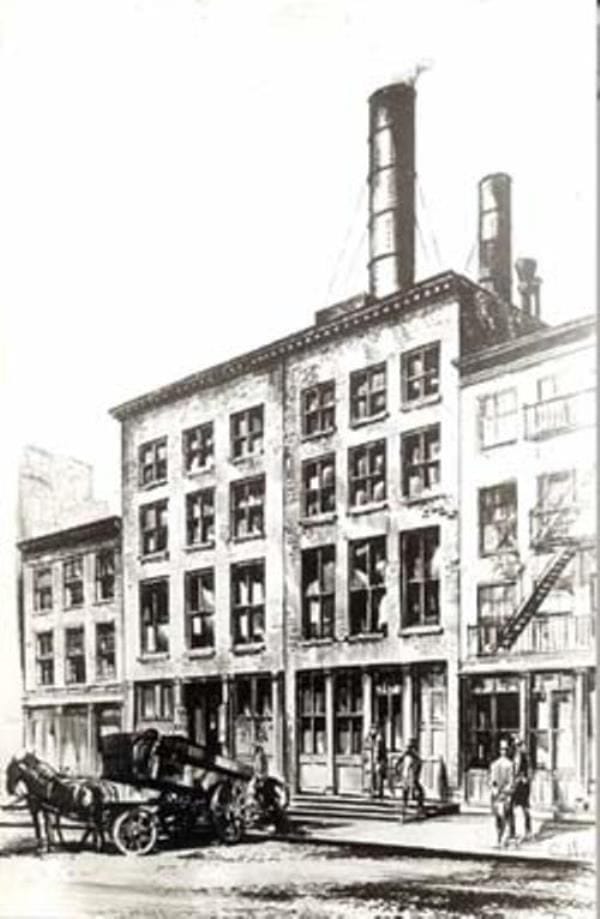
Why does 1882 matter to anyone deciding what to do about AI in 2026? Because the most important energy technology in history arrived, it worked, and industry largely ignored it for a generation. The engineers of the day could describe the electric factory in detail. Describing it turned out to be the easy part.
By 1899, seventeen years after Pearl Street, electric motors ran less than five per cent of the mechanical power in American factories. Less than five per cent. Two decades into the electrical age, ninety five per cent of industry still ran on steam and water, exactly as it had before. Productivity growth in Britain and America actually slowed between 1890 and 1913.
Only in the early 1920s did electricity pass half of all factory power. Then the boom finally arrived, four decades after the switch was thrown. The economist Paul David put it well: in 1900 you could say the dynamos were everywhere but in the productivity statistics. In 1987 Robert Solow said the same thing about computers. And right now, somewhere, a finance chief is saying it about AI.
The motor bolted to the ceiling
So why the forty year wait? The factory owners of 1900 were not fools.
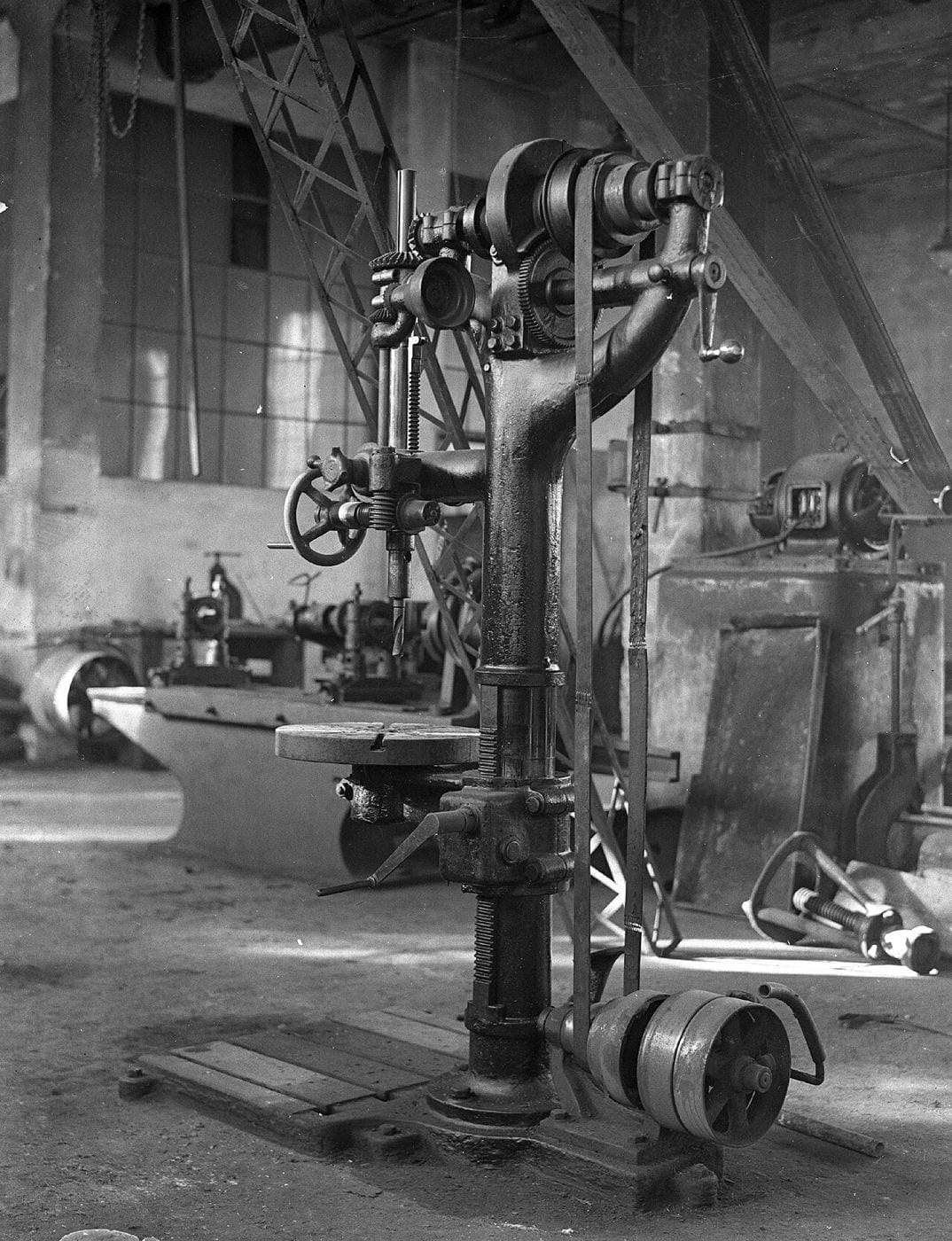
Picture the factory of 1895. One giant steam engine sits in the basement. A rotating steel line shaft runs along the ceiling. Every machine in the building hangs off that shaft by a leather belt. The whole building is one machine, with one heart.
When electricity arrived, the obvious move was simple. Unbolt the steam engine and wire up one big electric motor in its place. Same shaft. Same belts. Same building. Same layout. The engineers called it group drive: revolutionary technology, running a Victorian process.
It sort of worked. But the gains were marginal, because everything that actually held the factory back was still there. New power, old assumptions.
Unit drive: the line shaft comes down
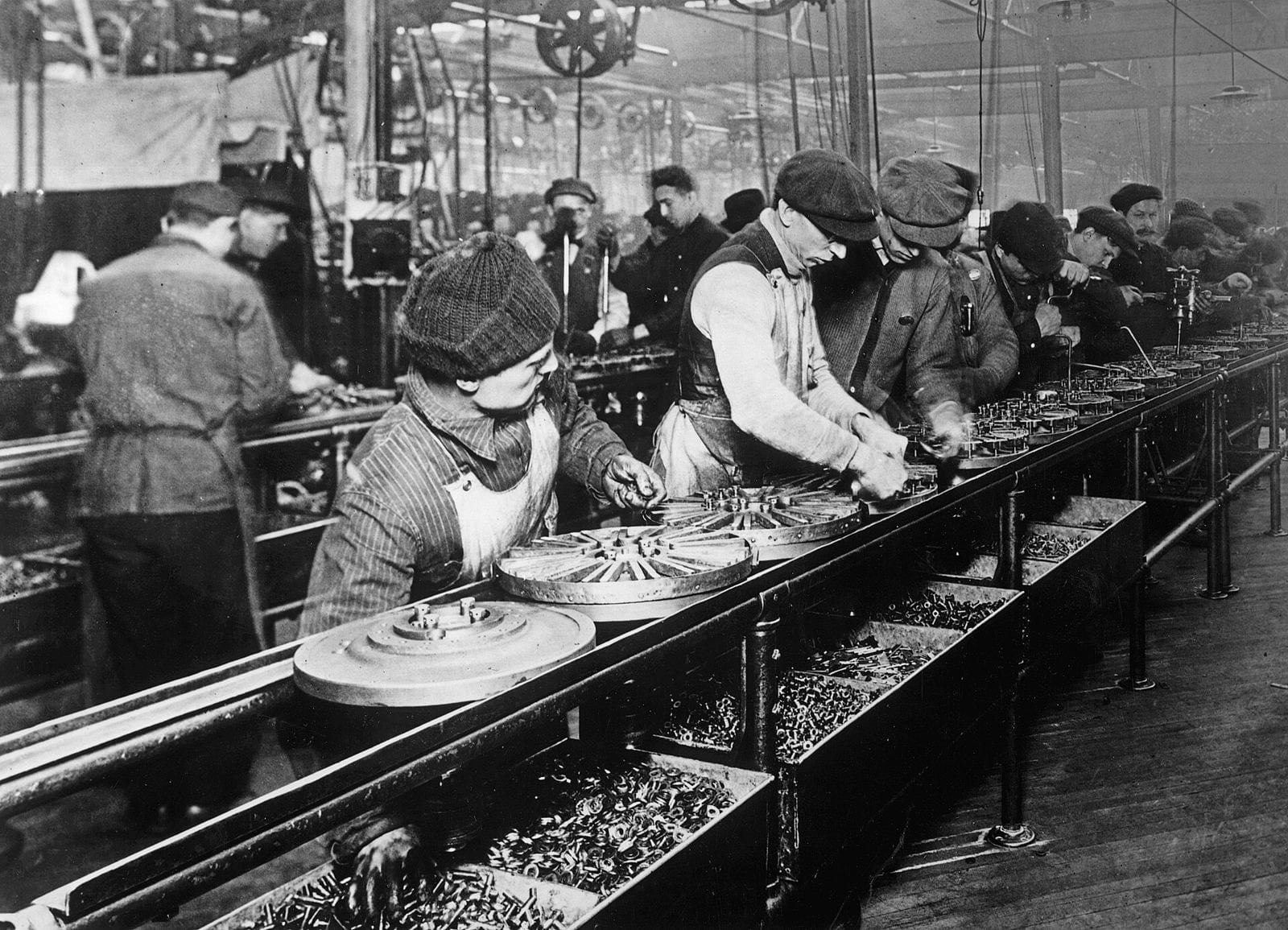
The real change came from a different idea, and they called it unit drive: a small electric motor on every single machine.
Once each machine had its own power, the line shaft could come down. And everything the line shaft had quietly dictated came down with it. Factories went single storey, laid out around the flow of materials instead of the geometry of a steel shaft. Buildings got lighter and cheaper once the ceiling no longer carried tonnes of spinning steel. Skylights appeared where the belting used to hang, and the overhead belts that maimed workers were gone. Machines could be rearranged in a weekend, and one department could stop without stopping the plant.
It sounds like a detail. It was the revolution.
And then the productivity numbers finally noticed. In the 1920s, American manufacturing productivity grew around five percentage points faster than the decade before, and David's research attributes roughly half of that surge to electric motors on individual machines. Forty years of nothing, then a decade that changed the industrial world.
The lesson is uncomfortable and simple. The technology was never the bottleneck. The factory was.
Part Two: The group drive era of AI
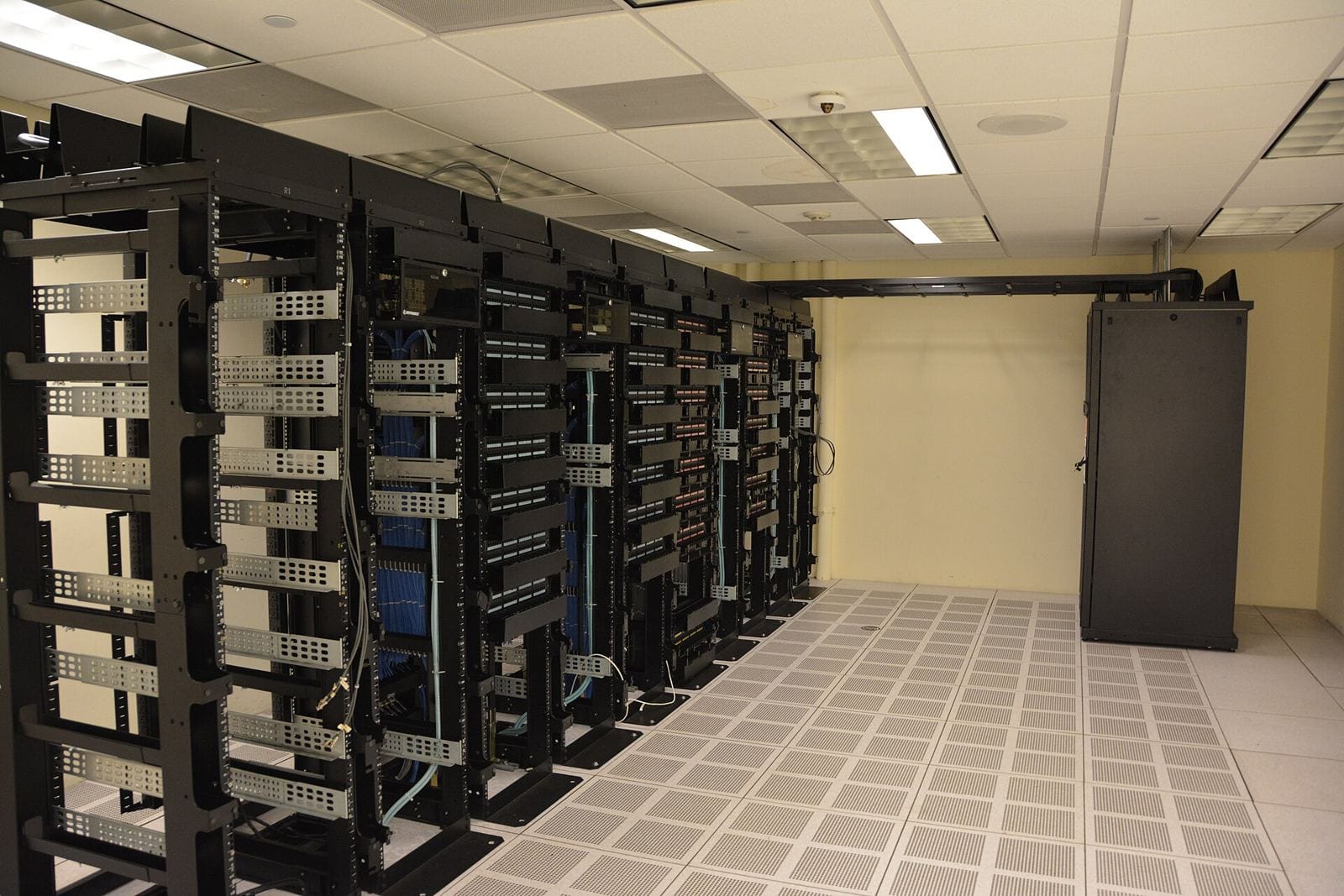
Now look at where we are with AI. The parallel is almost embarrassing. We are living through the group drive era of artificial intelligence.
McKinsey's State of AI survey from November 2025 found that 88 per cent of organisations now use AI in at least one business function. Adoption is not the problem. Everyone has bought the motor, and everyone is paying to run it. Every month the spend on tokens climbs. Tokens are just what you pay each time the AI does a piece of work, so the meter is running.
But only 39 per cent of organisations report any AI impact at all on enterprise level earnings. And just six per cent or so are high performers, crediting five per cent or more of their profit to AI. The spend went up. The output did not.
A widely reported MIT study was even more blunt: around 95 per cent of enterprise GenAI pilots showed no measurable impact on profit. The methodology has been fairly criticised, but the pattern is recognisable. Most organisations get stuck in pilot mode and never move on. It is 1899 all over again. The power is on, the bills are coming in, and the work is done exactly as before.
Bolting AI onto the line shaft
Why is the impact missing? Because most organisations are doing exactly what the factory owners did. They take the same process, the same approvals, the same documents, the same meetings, and add a chatbot. The email that took an hour now takes ten minutes, and it is three times longer than it needs to be.
Worse, we have invented a new game. I call it ChatGPT tennis. One person's AI writes the email. The other person's AI writes the reply. And every round comes back longer than the last. I recently received an email so obviously machine written that I gave up reading it, pasted it into another AI, and asked what the sender was actually trying to say. Two machines politely talking to each other, while two humans stand in the middle pretending this is progress.
That is group drive. New power, old assumptions.
The unit drive question
The unit drive question is different, much harder, and not a technology question at all. It asks a simple thing:
If the cost of drafting, analysing, summarising, coding and checking has collapsed, why does this process exist in this shape at all?
You cannot hand that question to the IT department, any more than factory redesign could be handed to the electrician. And there is a second part that matters just as much. AI drifts, optimises, and makes a continuous stream of small decisions, so governance has to live inside the process, not review it after the fact. The organisations that combine ambition with control will own the next decade.
AI is not a chatbot. The value is in the output.
Be clear about what we mean by AI, because most people are still picturing a chat window. A chatbot is the group drive version. The unit drive version is AI that does the work, end to end, and leaves finished work behind.
Our own example is a workflow we call Book to Bill to Cash. Work packages arrive in the inbox as messy, unstructured documents. No form, no template. The AI reads them and pulls out the scope, the dates and the values from the raw material. It updates the SharePoint list and the business management system directly, so nobody re-keys anything. It raises the invoice from the work package record, on the right terms. It checks payment dates and flags them before they slip. And it reconciles the accounting software against the bank, without a month end scramble.
Nobody typed a prompt. The work arrived unstructured; it left billed, paid and reconciled. The value is in the output.
Part Three: In defence of the pilots
There is a second thing standing in the way of this transition, and it is not organisational. It is personal. I think it is the quiet brake on the whole thing.
In every organisation right now there are pilots: people who taught themselves to fly these tools while everyone else was still debating them. They produce a week of work in a day. And then they sit on it.
Why? Because they believe that if people knew how the work was made, they would value it less. If it only took an hour, how can I charge for a week? If the machine did the drafting, what exactly am I for?
Let me be honest about that fear before I argue with it: it is not irrational. If you sell effort, showing your client that the week became an hour is an invitation to reprice you. The pilots are not confused about how their organisations work. They are responding sensibly to a pricing model that punishes candour. Which is exactly why the third point at the top of this essay matters. The problem is not the honesty. It is the model.
Because underneath that model sits an idea we rarely say out loud: that the value of work is the effort that went into it. Call it the suffering theory of value. It is wrong, it has always been wrong, and electricity is the proof. Steel did get cheaper when the electric mills arrived. But the mills that electrified took the volume, the margin and the future, and the ones that protected the old process kept their prices for a while and then disappeared. Hiding your method does not protect your price. It only decides who sets the new one.
We have run this experiment on people before
When the cash machine spread through banking, everyone assumed the clerks were finished. The routine part of the job did shrink. Between 1988 and 2004, the number of clerks an American branch needed fell from about twenty to thirteen.
But look at what happened to the service. Because a machine did the counting, it could do it around the clock. Cash was suddenly available any hour of any day. No queue, no waiting for the branch to open. The output did not get worse. It got better.
And the human job moved to the part a machine cannot do: advice, judgment, relationships, helping people with the decisions that actually matter. Be honest about it, some of the old roles went. But the value was never in counting the cash. It was in the thinking. The value did not drain out of the people. It moved, and the people who moved with it did well. That is the lesson for AI. Let the machine take the routine. Move your people to the judgment.
Two messages
To the pilots. You are not cheating. You are the unit drive engineers of this transition. The forty year gap was not closed by better technology. It was closed by people who redesigned the work around the new power, openly, where everyone could see. Hiding your methods does not protect your value. It hands the advantage to whoever stops hiding first.
To the leaders. When your pilots hide, they are telling you something: your organisation still prices effort instead of outcomes. Fix that, and you will not need an AI strategy. You will have something better. People racing to show you where the line shafts are.
Standing in 1899
It is easy to feel superior to the factory owner of 1899. He sat under his line shaft and insisted electricity was overhyped. Five per cent adoption after seventeen years. He had the numbers on his side. But he was standing at the bottom of the steepest curve in industrial history, and he could not see it.
The benefits of a general purpose technology never arrive with the technology. They arrive with the redesign.
So do not ask what your AI strategy is. Find your line shaft. Take it down.
The dynamos are everywhere. Whether they show up in your results is up to you.
Sources: Paul A. David, "The Dynamo and the Computer", American Economic Review, 1990. McKinsey, The State of AI, November 2025. MIT NANDA, 2025 (methodology contested). James Bessen, Learning by Doing, 2015.
Craig Lewis is a co-founder of LDS Consulting. This article is adapted from a talk given in July 2026.